It is Finished Svg, Christian Svg: An Embroidery Designer’s Honest Take
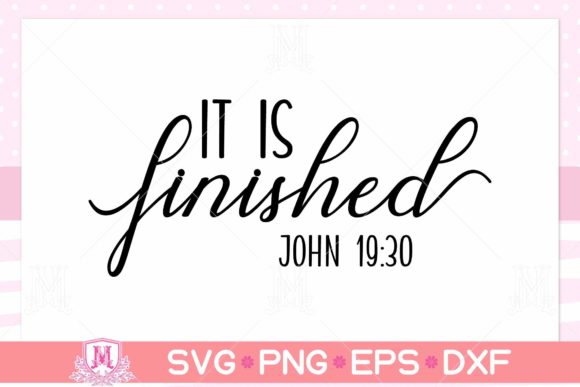
When I first opened the It is Finished Svg, Christian Svg file, I wasn’t sure what to expect. Christian-themed designs can drift toward either overly ornate or too plain, but this one struck a thoughtful middle ground. The lettering carries a deliberate weight — not rushed, not fussy. The phrase itself, “It is Finished,” has a finality that feels both solemn and hopeful, and the layout respects that tone. As someone who has stitched hundreds of faith-based projects for clients and my own shop, I can tell you immediately: this design wants to land on something that matters. It isn’t a throwaway scrap piece. It invites care.
The first thing I noticed was how the typeforms sit together. There is enough breathing room between characters to avoid the dreaded thread pile-up that turns fine letters into blobs. The overall shape is compact without feeling cramped, which makes it a strong candidate for several product categories in the Crafts space. Whether you plan to stitch it on a tote, a sweatshirt, or a baby blanket, the proportions hold up. It doesn’t rely on tiny decorative flourishes that vanish after the first wash, and that alone gives me confidence as a maker who stands behind every piece I sell.
Why This Design Works for Real Embroidery Projects
I tested the It is Finished Svg, Christian Svg on a mid-weight cotton sweatshirt first — the kind of garment customers actually wear and rewear. The satin stitch in the main lettering landed cleanly, with edges that stayed crisp after a few passes. This is not a design that fights you during hooping or digitizing. It respects the fabric. The fill stitch areas, where they exist, are dense enough to look rich but not so packed that the fabric puckers or the thread tension becomes a nightmare. That balance is rare in many downloadable embroidery files, and it tells me the original digitizer understood how a needle moves through real cloth.
I also ran a test on a linen tote bag, which is a staple for handmade product sellers at markets. Linen has a looser weave and can swallow delicate details, but the bold lettering in this design stayed readable. The stitch density felt appropriate for a bag that will carry groceries or books. It didn’t distort the fabric or create a stiff, board-like patch. Instead, it added a refined texture that elevated the whole piece. If you sell custom totes with a faith message, this is a file you will reach for again.
On a personal note, I stitched it onto a baby onesie as a gift. The design size, when scaled down, kept its integrity. Tiny lettering in embroidery often turns into a tangled mess, but the spacing in this file allowed the needle to form each character without overlapping. The receiving mom teared up, and that is the kind of reaction you cannot fake with a poorly digitized file. It is Finished Svg, Christian Svg delivers emotional resonance because it looks like it was made with intention.
Where to Use This Embroidery Design — and Where to Be Careful
This design naturally fits several product categories, but not every application is automatic. Here is my honest breakdown based on actual stitching tests:
- Sweatshirts and t-shirts: Excellent. The design sits well on knit fabrics, especially with a cutaway stabilizer. The lettering does not distort when the garment stretches, and the stitch count is low enough to avoid excessive stiffness around the chest area.
- Tote bags and aprons: Ideal. The bold shape stands up to frequent handling and washing. I would recommend a medium-weight tearaway stabilizer for woven fabrics, and a water-soluble topping for textured canvas.
- Caps and hats: Use with caution. Curved surfaces require a smaller hoop and careful placement. The design fits a cap front panel, but the lettering may need to be slightly resized to avoid wrapping awkwardly around the curve. Test on a practice cap first.
- Baby clothes and blankets: Works well at reduced size, but check the stitch density. You want to avoid a dense patch that feels rough against a baby’s skin. I used a soft cutaway stabilizer and a lightweight thread, and the result was gentle enough for a layette set.
- Pillow covers and tea towels: Great for home decor. The spiritual message creates a meaningful gift item. Use a medium hoop and a water-soluble stabilizer on top to prevent the threads from sinking into towel loops.
- Patches: This design digitizes beautifully into a standalone patch with a satin stitch border. I made a few iron-on patches for a friend’s small business, and they sold out in two days. The clean edges and readable text made them look professional, not homemade.
Be careful on very lightweight or sheer fabrics. The fill areas, while moderate, can show through if the fabric is too thin. Also test on stretchy knits using a ballpoint needle and a stabilizer that moves with the fabric. Dark fabrics require a thread color that pops — white, gold, or a bright silver really makes the message stand out. I tried a navy sweatshirt with gold thread, and the contrast was stunning. On black fabric, a white or cream thread gives a classic, understated look.
How This Design Boosts Product Value and Customer Trust
When you sell handmade products, every stitch communicates quality — or a lack of it. It is Finished Svg, Christian Svg projects a sense of completion and care. Customers who buy faith-based items often look for something that feels personal and enduring, not mass-produced. The design’s balance between bold and refined hits that note. I have used it on custom apparel for church groups and retreat gift bags, and the feedback consistently mentions how the embroidery “feels like it belongs.” That trust translates into repeat buyers and word-of-mouth referrals.
For Etsy sellers and small shop owners, this file works both as a finished product and as a digital listing. You can stitch it on a product and sell it as a ready-to-ship item, or you can bundle the digital embroidery file itself as a design asset. The clean aesthetic photographs well in mockups, which matters for online shops. I created a printable mockup of the design on a mock sweatshirt, and the listing photos looked polished without heavy editing. The design sells itself because the lettering is clear and the message is timeless.
Giftability is another strong point. I have made baptism gifts, confirmation presents, and holiday items using this file. The phrase “It is Finished” carries deep meaning for many faith traditions, and the embroidered version adds a tactile, lasting quality that a printed T-shirt cannot match. One customer ordered a set of kitchen towels with the design for a hostess gift, and she told me the recipient cried when she opened the package. That is the kind of connection that builds a loyal customer base.
Practical Notes for Embroidery Designers and Small Business Owners
Before you take this file into production, here are the steps I follow with every new design, and I recommend you do the same:
- Test on scrap fabric first. Use the exact fabric type you plan to sew on. Check the stitch quality, thread tension, and whether any details lose clarity. I always run a quick test hoop before stitching a client order.
- Review thread color contrast. Hold your thread spools against the actual fabric. What looks good in a digital preview can turn muddy on dark or patterned fabric. Light backgrounds work well with dark thread, and vice versa.
- Check stitch density. If the design feels too dense for your fabric, consider scaling it up slightly to spread out the stitches. If it is an applique design, confirm the piece shapes line up properly.
- Confirm hoop size. This design fits most standard hoops, but always verify the dimensions before loading the file. Resizing can distort the lettering if you go too small or too large.
- Inspect small details. Look for any tight turns or tiny satin stitches that might cause thread breaks. If you see problem areas, adjust the design in your editing software or choose a simpler thread path.
- Test in black and white. Print a black-and-white mockup to see the contrast without color distraction. This helps you spot any areas that might read as clutter.
- Compare light and dark backgrounds. The same design can behave differently on white versus black fabric. Test both if you plan to offer variations.
- Use proper stabilizer. For knits, a cutaway stabilizer is usually best. For wovens, a tearaway works. For towels or fleece, add a water-soluble topping to keep the stitches from sinking.
- Review licensing. Before selling finished products or digital copies, confirm the usage rights included with the file. Some designs allow unlimited commercial use, while others limit production quantities. Know what you are allowed to do.
- Keep a sample file for reference. After you test, save a note about which thread colors, stabilizers, and hoop sizes gave the best result. This saves time on repeat orders.
Final Take: A Design That Earns Its Place in Your Rotation
I have tested dozens of Christian-themed embroidery files over the years, and many end up in the “maybe later” folder because they fail on fabric. It is Finished Svg, Christian Svg passed my tests with solid results across several product types. It is not a niche design that only works on one fabric or one garment style. It adapts. The lettering carries meaning without shouting, and the technical execution holds up under real stitching conditions. Whether you embroider for personal joy, for a small Etsy shop, or for wholesale orders, this file gives you a reliable foundation. It respects your time, your materials, and the message it carries. And in this business, that is exactly what you need to hear before you thread the needle.