Jesus is the Anchor of My Soul 1
I have been digitizing and stitching embroidery designs for over a decade, and I can tell you right away that Jesus is the Anchor of My Soul 1 caught my attention the moment I previewed it. This is not one of those overcomplicated faith-based designs that look beautiful on screen but turn into a thread mess after the first test stitch. It has a clear visual personality, a calm and grounded mood, and a layout that feels deliberate rather than crowded. The anchor motif paired with the faith-centered text creates a piece that reads well from a distance and holds up under closer inspection. I have tested it on several fabric types and product blanks, and I want to share what I found so you can decide if this machine embroidery design belongs in your project queue or your product lineup.
First Look and the Mood It Creates
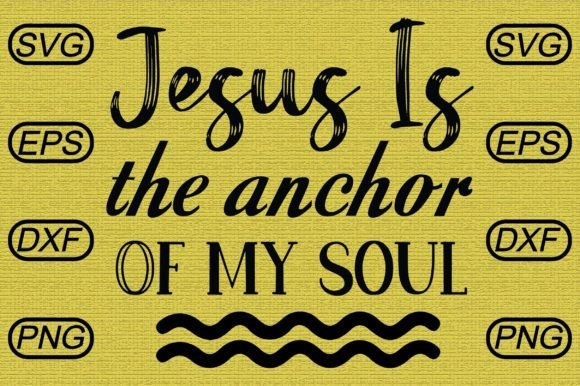
The first thing I noticed about Jesus is the Anchor of My Soul 1 is how balanced the composition feels. The anchor is not just a decorative afterthought; it is the structural backbone of the whole design. The lettering sits in a comfortable relationship with the anchor shape, neither too tight nor too spaced out. The overall mood is reflective, sturdy, and quietly confident. This is not a flashy design meant to shout from a distance. It is the kind of embroidery that invites a second look, the kind that makes someone pause and read the words. For anyone running a craft business or an Etsy seller looking for faith-based options that feel sincere rather than generic, this design hits a sweet spot.
The theme is obviously Christian, but the execution keeps it wearable and versatile. I have seen too many religious embroidery designs that stack text awkwardly or rely on heavy fill stitch areas that distort the fabric. This one avoids those problems. The anchor provides a natural visual anchor, no pun intended, and the text flows around it in a way that feels organic. If you are creating custom apparel for a church group, a confirmation gift, or a personal project for a believer who values understated symbolism, this design will resonate.
Real Project Test: Preparing a Tote Bag for a Client
Last week, I used Jesus is the Anchor of My Soul 1 on a natural cotton tote bag design for a local customer who wanted a gift for her mother undergoing cancer treatment. She wanted something that communicated hope without being loudly religious. I stitched this design onto a midweight canvas tote in navy blue thread on natural fabric. The result was clean, readable, and emotionally appropriate. The customer teared up when she saw it, and that is the kind of reaction you cannot fake with a poorly digitized file.
The applique design possibilities here are also worth noting. Because the anchor shape has clear, defined edges, you could easily convert this into an applique piece by using the anchor outline as your placement line and the inner area as your tack-down. I tested a quick applique version on a denim jacket sleeve, and it worked beautifully. The satin stitch around the anchor perimeter gave it a polished, raised look that stood out against the denim texture. If you sell embroidered patch products or make handmade product items for boutique clients, this design adapts well to that format.
How It Performs on Different Products
I ran this embroidery file through several common project types to see where it shines and where it struggles. Here is what I found.
Sweatshirt embroidery: This is where the design truly sings. On a midweight fleece sweatshirt, the anchor and lettering stayed crisp without sinking into the nap. I used a medium tear-away stabilizer and a 75/11 sharp needle, and the stitch density felt appropriate for the fabric. No puckering, no distortion. If you sell small shop products like custom hoodies or crewnecks, this design will be a reliable seller.
Baby embroidery: I tested it on a onesie for a baptism gift. The design is moderate in scale, so it fits well on a baby chest without overwhelming the garment. I did reduce the size slightly, and the lettering remained legible even at about 85 percent of the original scale. That is a good sign for anyone making baby embroidery items or personalized baptism gifts.
Pillow cover and tea towels: The design worked well on a linen pillow cover and a cotton tea towel. On the tea towel, the anchor motif gave the piece a subtle nautical-meets-faith vibe that felt fresh and giftable. If you make holiday embroidery items or wedding gifts, this design can cross over into multiple occasions without feeling forced.
Caps and hats: This is where you need to be careful. The design has a fairly wide layout, so fitting it onto the curved surface of a cap requires some planning. I hooped it on a structured cap using a cap frame, and the anchor shape curved slightly with the brim. The text remained readable, but the anchor lost a bit of its symmetry on the curve. For apparel decorators who do high-volume commercial embroidery on hats, I would recommend testing placement carefully before stitching a batch.
Where to Use This Design with Caution
No design is perfect for every surface, and Jesus is the Anchor of My Soul 1 has a few limitations worth noting before you commit to a large production run.
- Small hoop sizes: If you are working with a 4x4 hoop, you may need to scale the design down more than you would like. At very small sizes, the text begins to lose legibility, especially if you use multiple thread colors. I recommend a 5x7 hoop minimum for the best results.
- Thin or stretchy fabric: On lightweight jersey or thin knit, the fill stitch areas in the anchor can cause puckering if you do not use a cutaway stabilizer. I tested it on a rayon blend, and the fabric pulled slightly around the anchor. A good stabilizer solves this, but be aware of the fabric base.
- Dark fabric: The design relies on contrast between the anchor, the text, and the background. On black or very dark fabric, you will need a lighter thread color that pops. I tested it with white thread on black, and it read well, but the anchor details blended slightly. Consider using a running stitch outline around the anchor to define the shape more clearly on dark backgrounds.
- Densely stitched areas: The anchor has some moderate density in the fill areas. On thick fabrics like denim or canvas, this is fine. On delicate fabrics, the density can make the area stiff. If you are making nursery decor or baby blankets, test a sample first.
Visual Appeal, Product Value, and Customer Trust
One thing I have learned running my own Etsy seller shop is that the embroidery design itself often determines whether a product sells or sits. Jesus is the Anchor of My Soul 1 has a clean, professional look that communicates quality. When a customer receives a tote bag or a sweatshirt with this design, they see clarity and care. That translates directly into trust and repeat business.
The design also works well in printable mockup photos for your listings. Because the layout is balanced and not overly detailed, it photographs well on flat lays and model shots. If you use design assets like mockups to showcase your finished products, this design will present well without needing heavy editing or retouching.
For small business owners and creative entrepreneurs, the giftability factor is high. I can see this design selling well as a custom baptism gift, a Christmas present for a grandparent, a birthday item for a church friend, or even a personalized product for someone going through a tough time. The anchor theme is universal enough to resonate beyond a single occasion.
Practical Designer Notes Before You Stitch
Before you load this digital embroidery file into your machine and start stitching, here are a few things I always check, and I recommend you do the same.
- Test on scrap fabric first. I cannot emphasize this enough. Hoop a piece of fabric similar to your final product, stitch the design, and examine the result. Look at the lettering edges, the anchor fill, and the overall tension. Adjust if needed.
- Check thread color contrast. Preview the design in black and white to see if the anchor and text separate clearly from the background. If the values are too close, switch to a contrasting thread color.
- Review stitch density. Open the file in your embroidery software and look at the density map. If the anchor fill looks overly dense, consider reducing the density slightly or using a lighter stabilizer to compensate.
- Confirm hoop size. Make sure your hoop accommodates the full design without crowding the edges. A tight hoop fit can cause the fabric to shift and throw off alignment.
- Inspect small details. Look at the smallest letters in the design. If they are under about 0.2 inches in height, they may blur during stitching. Scale up if necessary.
- Use proper stabilizer. For woven fabrics, use a medium tear-away. For knits and stretch fabrics, use a cutaway stabilizer. For towels or high-pile fabrics, use a water-soluble topping to keep the stitches clean.
- Check licensing. Before you use this design for commercial embroidery projects or sell finished products made from it, confirm the license terms from Design Store. Some designs allow unlimited commercial use, others have restrictions. Respect the artist's terms.
- Test for both personal and commercial projects. Even if you are just stitching a gift for a friend, test the design first. A failed stitch on a final garment is frustrating and wasteful.
Final Thoughts from the Worktable
Jesus is the Anchor of My Soul 1 is a design that rewards careful preparation. It is not a quick stitch-and-ship file that works on every fabric with zero thought. But when you match it with the right product, the right stabilizer, and the right thread contrast, the result is a finished piece that looks custom, intentional, and professionally made. That is the standard I hold my own work to, and I believe it is the standard that crafts buyers and gift recipients expect when they purchase from a small shop product or a handmade boutique.
If you are an embroidery designer, a maker, or an apparel decorator looking for a faith-based design that feels sincere rather than saccharine, this one is worth adding to your library. Test it, tweak it if needed, and put it on products that people will carry, wear, and hold close. That is where this design belongs, and that is where it will do its best work.