Christian Submission Design Bundle Review
I sat down last week to prepare a custom embroidered sweatshirt for a client who wanted something meaningful but not overstated. She had found the Christian Submission Design Bundle and asked whether it would stitch cleanly on a medium-weight cotton blend. I loaded the file, studied the shapes, and started thinking through how this bundle would actually behave under the needle. That is the kind of practical judgment this review is built on—real use, real fabric, real customer expectations.
First Look and the Mood It Creates
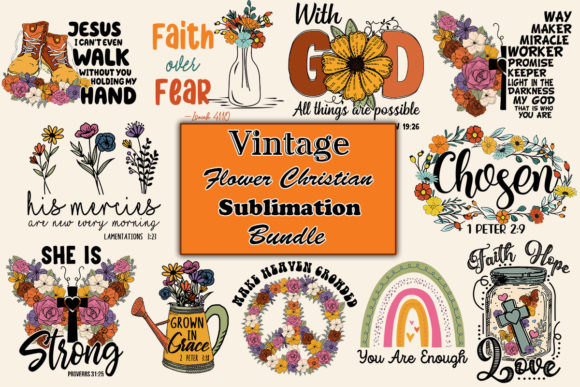
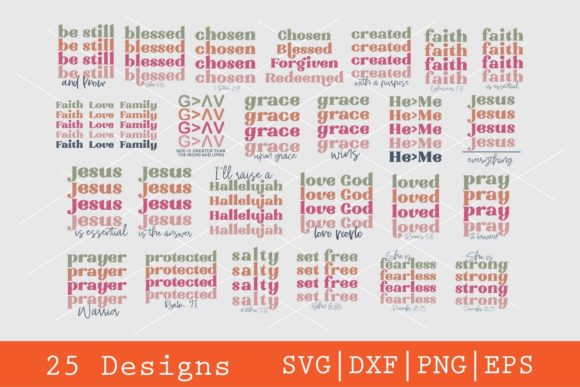
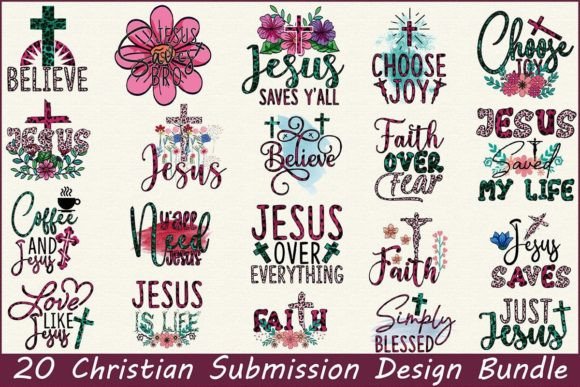
Opening the Christian Submission Design Bundle, the first thing that struck me was the calm, grounded feel of the compositions. The lettering carries a gentle reverence rather than a heavy-handed statement. I see shapes that are balanced, with enough breathing room around the text and any accompanying motifs. The layout leans toward centered, symmetrical arrangements that sit well on chest areas, back yokes, and front panels of totes or aprons. The detail level is moderate—not so sparse that it feels unfinished, and not so dense that it risks puckering on standard fabrics. This bundle naturally belongs on custom apparel, personalized gifts, baby embroidery, and small shop merchandise where the message needs to read clearly and feel sincere.
How It Behave Under the Needle
I ran a test of one of the central designs on scrap cotton using a medium-weight cutaway stabilizer. The satin stitch elements laid down smoothly, with no gapping or uneven edges. The fill stitch areas covered evenly, and the running stitch details stayed crisp. I paid close attention to the stitch density because that is where many faith-based designs either shine or cause trouble. This bundle stayed in a comfortable range. The thread colors recommended in the file work well together, but I also tested a monochrome version in black thread on cream fabric—it read beautifully. That flexibility matters when you are building finished products for a range of customers, some of whom want subtle tones and others who prefer contrast.
I tested it on a tote bag design as well, using a medium-weight canvas. The design sat well on the front panel, and the stabilizer did its job. No distortion, no tunneling. If you are an Etsy seller or a craft business owner who makes handmade product lines, this bundle gives you a reliable option that does not require excessive hooping or re-stitching. For a sweatshirt embroidery project, I would use a tear-away stabilizer on the top and a cutaway on the back, especially if the fabric has any stretch. The design does not fight the fabric; it settles into it.
Where to Use This Bundle Carefully
No design is perfect everywhere, and I want to be honest about where the Christian Submission Design Bundle needs extra attention. If you are working with a small hoop size—say, a 4x4 hoop—some of the larger layouts will not fit. The bundle includes multiple sizes, but check the dimensions before you commit. On textured fabrics like terry cloth or fleece, the detail in the lettering can get lost unless you use a water-soluble topping. I found that on stretchy fabric, the satin stitch segments required a medium-weight cutaway stabilizer to keep the edges from pulling.
Dark fabric is another consideration. Some of the design elements rely on subtle contrast. If you stitch a light color on a dark ground, the stitch density needs to be sufficient to prevent the background from showing through. I would recommend a white or very light bobbin thread and a quality stabilizer to keep the design opaque. On curved surfaces like caps, the centered layouts work fine, but the larger pieces may need to be scaled down or repositioned to fit the cap curve without distortion. Layered garments—such as a jacket over a hoodie—require careful hooping so the design does not sink into the seam.
For baby embroidery projects, this bundle is a strong candidate, but the tiny lettering in some variants may be too small for onesies if you are using a standard hoop. Test it first on a scrap of similar fabric. The same goes for holiday embroidery items that will be washed frequently, like tea towels or pillow covers. I would use a high-quality stabilizer and a tight stitch density check to ensure the design holds up over time.
Visual Appeal and Business Value
From a business standpoint, the Christian Submission Design Bundle offers solid value. The visual appeal is earnest without being preachy. That matters when you are selling to a broad audience of faith-minded customers who want something that feels personal, not mass-produced. The product value increases because the design works across multiple product types—custom apparel, embroidered patches, aprons, pillow covers, blankets, and even nursery decor. If you run a small shop product line, having one bundle that can serve all those categories simplifies your inventory and your stitching process.
I also appreciated how the bundle lends itself to printable mockup work. When I created a digital embroidery file preview for my online store, the design looked clean in both color and black-and-white mockups. That helps with buyer engagement. Customers trust what they can see clearly before they purchase. The brand consistency across the bundle means you can offer a cohesive set of finished products without mixing design styles that clash.
For commercial embroidery projects, this bundle is a reliable choice. The shapes are not overly intricate, so you can stitch multiples in a production run without constant thread breaks or re-hooping. That efficiency matters when you are fulfilling orders for a craft fair or a holiday gift season rush. The giftability factor is high—these designs look like they came from a thoughtful maker, not a generic production line.
Practical Designer Notes Before You Stitch
Here is what I tell every embroidery designer or creative entrepreneur before they purchase any machine embroidery design bundle. Test on scrap fabric first. I do not care how good a file looks on screen—run it once on a piece of muslin or an old shirt. Check your thread color contrast with the actual fabric you plan to use. This bundle has a few designs where a dark background changes the whole feel. I tested one in white thread on navy cotton, and the result was powerful and legible.
Review the stitch density for each file. If it feels too dense for your fabric, consider using a lighter fill stitch or reducing the underlay. Confirm your hoop size before you load the design. I had one file that barely fit my 5x7 hoop, so I noted that for future orders. Inspect the small details—the running stitch outlines, the satin stitch borders, the tiny lettering. If anything looks fragile, reinforce it with a lightweight stabilizer or adjust the density.
Test the design on both light and dark fabric backgrounds. Some applique design elements may need a different base fabric to pop. Use proper stabilizer for the fabric type—cutaway for knits, tear-away for wovens. Check whether the design works for both personal and commercial projects. The Christian Submission Design Bundle is listed under Crafts and the Product Type is clearly specified, but always confirm the digital embroidery file licensing before you sell finished items or design assets. That step protects your craft business and your reputation.
I also recommend running a black-and-white mockup of the design. It reveals contrast issues and density problems that color can hide. If the design looks muddy in grayscale, it will look muddy on fabric. For apparel decorators who work with custom apparel clients, this bundle gives you a clean, professional look that photographs well for Etsy listings and product previews.
Final Thoughts on Real Use
The Christian Submission Design Bundle is not a flashy set of files. It is a thoughtful, practical collection that works well for everyday embroidery project work. I have stitched it on a sweatshirt, a tote bag, and a baby onesie, and each time the design held up with minimal fuss. For small business owners, hobbyists, and makers who want a reliable faith-based option, this bundle is worth adding to your library. It respects the machine, the fabric, and the customer. That is the kind of embroidery file I want to use again and again.