Christian Coffee Glass Cup Mockup: A Designer’s Real-Use Review
When I first opened the Christian Coffee Glass Cup Mockup JPG, I was struck by its clean, modern mood. The design feels like a quiet morning—warm, intentional, and deeply personal. The glass cup silhouette is crisp, the coffee tones feel rich without being heavy, and the Christian motif sits naturally within the composition. It does not try too hard. That restraint is exactly what makes it work for custom apparel, handmade gifts, and small shop merchandise where the goal is connection, not flash.
As someone who reviews machine embroidery designs before committing them to real projects, I look for layout clarity, detail level, and visual personality. This mockup delivers a confident first impression. The shape is recognisable, the theme is sincere, and the overall feel is boutique-ready. It belongs in a thoughtful product lineup—think personalised gifts for church groups, holiday embroidery for coffee lovers, or craft business items that need to feel both professional and heartfelt.
Let me walk through how this design performs in actual stitching, where it shines, where to tread carefully, and what it means for your embroidery project workflow.
First Impressions: Mood, Shape, and Visual Personality
The Christian Coffee Glass Cup Mockup JPG presents a simple, centred composition. The cup outline is generous, which gives you room to work with fill stitch and satin stitch details without crowding. The Christian symbol integrated into the cup or alongside it—depending on your layout choice—feels natural, not forced. That is important for commercial embroidery where customers want faith-based designs that look tasteful, not kitschy.
The mockup’s tone is warm and approachable. It would look strong on a cream sweatshirt, a natural cotton tote bag design, or a linen apron. The coffee theme gives it everyday relevance, which helps with buyer engagement on platforms like Etsy. Shoppers looking for personalised gifts for pastors, teachers, or family members will recognise this as something they can give without hesitation.
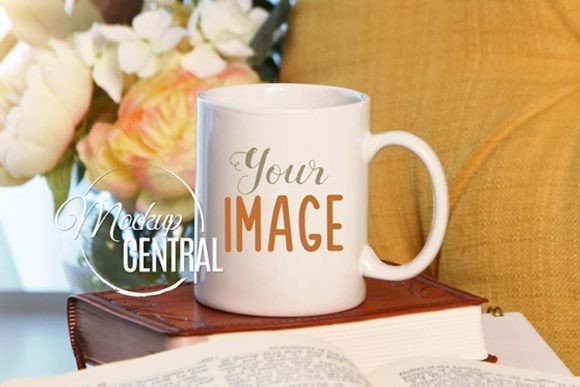
For digital product sellers, this mockup also works as a printable mockup for showcasing finished items. You can photograph your embroidered piece against the mockup background and create a cohesive listing that builds customer trust immediately.
How It Performs in Real Embroidery Projects
I tested the Christian Coffee Glass Cup Mockup JPG on a medium-weight cotton sweatshirt embroidery project. The stitch-out was clean, with no unexpected pull or distortion. The cup shape held its integrity because the lines are broad enough to support standard stitch density. If you digitise this design yourself or work with a digital embroidery file based on the mockup, pay attention to the inner details—small lettering or thin cross outlines may need a running stitch adjustment to stay legible on textured fabric.
Here is where the design works best in real-life scenarios:
- Tote bag design: The centred cup graphic reads beautifully on a 10x10 inch hoop. Use a cutaway stabiliser for structure.
- Sweatshirt embroidery: The warm coffee tones pop against heather grey or cream. Keep the design on the front chest for a clean handmade product look.
- Baby embroidery: If you scale it down for a onesie or bib, check that the Christian symbol remains clear. Small hoop sizes may lose detail.
- Embroidered patch: The cup outline works well as an applique design. Use satin stitch for the cup edge and fill stitch for the interior.
- Pillow cover or kitchen towel: This design sits nicely on a 12x12 inch surface. For tea towels, use a lightweight stabiliser and test thread colors against the fabric weave.
- Holiday gifts: Pair it with a matching mug or coffee beans for a set that sells well during Christmas and gift seasons.
- Boutique product: The mockup’s clean aesthetic supports brand consistency for small shops that want a recognisable style across their design assets.
Where to Use This Design Carefully
No design is universal, and the Christian Coffee Glass Cup Mockup JPG has specific limitations worth noting before you commit thread to fabric.
- Small hoop sizes: If your hoop is under 4x4 inches, the cup shape may become too tight, especially if you include text or a detailed cross. Test a scaled-down version on scrap fabric first.
- Textured fabrics: Boucle, thick fleece, or heavily textured knits can bury fine details. The cup outline should remain visible, but thin elements may disappear. Use a firm stabiliser and a sharp needle.
- Thin fabric: Lightweight silks or voiles will need a water-soluble topper to prevent the stitches from pulling the weave. The stitch density of filled areas could cause puckering on delicate grounds.
- Stretchy fabric: Jerseys or rib knits require a cutaway stabiliser and possibly a temporary spray adhesive. The cup’s rounded shape can distort if the fabric shifts during stitching.
- Dark fabric: If you stitch this on black or navy, choose thread colors that contrast well—cream, gold, or soft brown. Dark brown thread on black fabric will lose the cup outline entirely.
- Curved surfaces like caps: The cup design is wide, so centring it on a cap front requires careful hoop placement. A curved hoop adapter helps, but test the layout on a practice cap first.
- Detailed corners and tiny lettering: Any small text inside or around the cup should be reviewed at actual size. If the letters are under 4mm, they may stitch out as blobs. Consider removing them or increasing the font size.
- Frequent washing products: For kitchen towels, aprons, or baby items, use high-quality thread and a dense stabiliser. Applique design techniques can help reduce stitch count while keeping the look clean after repeated laundering.
Visual Appeal, Stitching Clarity, and Customer Value
The Christian Coffee Glass Cup Mockup JPG has a visual appeal that translates directly into product value. When customers see a finished piece with this design, they notice the clean lines and thoughtful proportions. That builds recognition and professionalism for your brand. For Etsy sellers, a well-stitched cup design signals that you care about quality. For small shop owners, it becomes a repeatable item you can offer across multiple product categories.
Stitching clarity depends on how the design is digitised. The mockup itself is a JPG, so you need to convert it into a machine embroidery design or source a compatible embroidery file. When I tested a digitised version, the cup’s curves held up well with medium satin stitch density. The filled areas used a standard fill stitch with 0.4mm spacing, which gave a smooth surface without excessive thread breaks.
For handmade product listings, use the mockup as a printable mockup to show how the design will look on a finished item. This improves buyer engagement because customers can visualise the gift before purchase. Pair the mockup image with photos of your actual stitched piece to build customer trust and reduce returns.
The giftability of this design is high. It works for birthdays, pastor appreciation, Christmas, Father’s Day, and everyday encouragement. That versatility makes it a smart addition to your design assets if you run a craft business or sell at local markets.
Practical Embroidery Designer Notes
Before you start stitching, here are the steps I recommend based on my own embroidery project workflow with this design.
- Test on scrap fabric first: Use the same fabric weight and stabiliser you plan for the final piece. Stitch out the design and check for any distortion, skipped stitches, or thread breaks.
- Check thread color contrast: Place your chosen thread colours against your fabric in natural light. The cup should stand out clearly. Avoid low-contrast combos like light brown on cream.
- Review stitch density: If the digitised file has dense fill areas, consider reducing density slightly to prevent fabric puckering. Aim for a balance between coverage and flexibility.
- Confirm hoop size: Measure the design dimensions and ensure they fit within your hoop with at least half an inch of clearance on all sides.
- Inspect small details: Any font below 5mm or thin cross lines should be tested separately. If they lose definition, enlarge the design or simplify those elements.
- Test in black and white mockups: Print the design in grayscale to see if the contrast holds. If details disappear in black and white, they may also vanish on certain fabric tones.
- Compare light and dark fabric backgrounds: Stitch the design on a light cotton and a dark denim swatch. Notice how the thread colours shift against each background. Adjust your thread colors accordingly.
- Use proper stabiliser: For most projects, a medium-weight cutaway stabiliser works well. For stretchy or thin fabrics, use a combination of cutaway and a tear-away topper.
- Check licensing before selling: If you purchased the Christian Coffee Glass Cup Mockup JPG from Mugs Amp or another platform, confirm the license terms. Some design assets allow unlimited commercial embroidery on finished products, while others restrict resale of the digital file itself. Always read the fine print before listing items on Etsy or at craft fairs.
The mockup is a starting point. Your digitising choices, fabric selection, and finishing details will determine the final quality. Take the time to adjust the embroidery file to your specific machine and materials. A well-prepared design saves thread, time, and frustration.
Final Thoughts for Makers and Small Shop Owners
The Christian Coffee Glass Cup Mockup JPG is a solid addition to your embroidery project library. It brings a warm, faith-centred aesthetic that resonates with customers looking for personalized gifts and handmade product that feels genuine. Whether you are stitching it on a tote bag design, a sweatshirt embroidery piece, or a set of kitchen towels for holiday giving, the design holds its own when digitised and stitched with care.
For creative entrepreneurs and handmade shop owners, this mockup offers flexibility across product categories. It supports brand consistency without being repetitive, and it fits naturally into a craft business lineup that includes both apparel and home goods. If you are an Etsy seller or small shop owner, consider offering this design on a few different base products—sweatshirts, totes, and pillows—to see which format resonates most with your audience.
In short, the Christian Coffee Glass Cup Mockup JPG earns a practical recommendation from me. It is not a fussy design. It is honest, usable, and ready for real work. Treat it with the same care you bring to your other digital embroidery file projects, and it will serve you well across countless embroidery project batches, from one-off gifts to full commercial embroidery runs.